The Storm-Chaser Problem: How To Tell a Real Roofer From a Door-Knocker
The roofer who tells you your roof is fine is worth more than the one who always says you need a new one.
September 4, 2026 · 4 min read
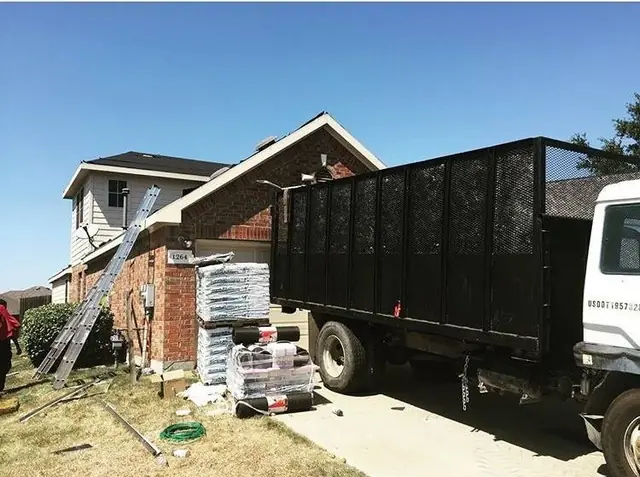
Every hailstorm that moves through the Dallas-Fort Worth area brings the same second wave behind it: trucks from out of state, crews nobody's neighbors have heard of, and a run of door-knocks that all sound urgent. Some of these are legitimate companies working a real market. A meaningful number are gone before the workmanship warranty they promised ever gets tested. The hard part is that both types show up looking almost identical on the doorstep.
The knock happens before you've called anyone
A storm-chasing crew's whole business model depends on being first, before a homeowner has had time to research anyone or ask a neighbor who they used. If someone is knocking on your door within days of a storm, offering to inspect your roof for free and start work immediately, that speed by itself isn't a red flag, we run free inspections too, but it means you should slow down on the decision even while the inspection itself moves fast.
A local address is not a formality
A company with a real address in Grapevine or the wider Dallas-Fort Worth area has a reason to still be here in three years when a warranty claim comes up. A company operating out of a truck bed and a phone number with an out-of-state area code doesn't have that same obligation to come back. Ask for a physical business address before you ask about price, and check that it's a real office, not a UPS mailbox.
BBB, trade association membership, and why they're boring on purpose
None of these credentials are exciting to check, which is exactly why storm-chasers count on nobody checking them. A Better Business Bureau rating, membership in a group like the North Texas Roofing Contractors Association, and a track record on review platforms like HomeAdvisor or Angie's List all take time to build and can be pulled or damaged by bad behavior. A company that's held an A+ BBB rating and stayed active in local trade groups for years has something real to protect. A crew that formed two weeks before the storm doesn't.
Licensed, bonded and insured: what each word actually protects you from
- Licensed means the contractor has met the requirements to legally perform the work in this state
- Bonded means there's a financial guarantee behind the job if the contractor fails to complete it or fails to pay a subcontractor
- Insured, specifically with liability and workers' compensation coverage, means you're not financially exposed if a worker is injured on your property or if the job damages something it shouldn't
Ask to see proof of all three, not just a verbal assurance. A legitimate contractor produces this without hesitation, because it costs them nothing to show and it's paperwork they carry anyway.
Workmanship warranty versus manufacturer warranty
These are two different promises, and door-knock pitches routinely blur them together. A manufacturer warranty covers defects in the shingles or materials themselves, and it's issued by the manufacturer, not the installer. A workmanship warranty covers the installation itself, whether the flashing was sealed correctly, whether the nailing pattern was right, and that one only means anything if the company that issued it still exists when you need it. We put a full workmanship warranty behind every job specifically because we intend to still be answering our phone at 817-823-7224 when that warranty gets called on.
The tell that matters most
A contractor whose default answer is always "you need a full replacement" is easy to be suspicious of, but the harder tell to fake is the opposite one. One of our customers described exactly this: after minor hail came through his neighborhood, we told him his roof was fine for a few more years rather than pushing a new one on him, while he watched other door-knockers in the area automatically tell every homeowner they needed a full replacement regardless of what their roof actually showed. A company willing to tell you no money is warranted right now is telling you something true about how it operates when money is warranted later.
What to do before anyone gets on your roof
None of this means every unfamiliar truck in the neighborhood is a scam. Some of the crews working a storm are perfectly legitimate contractors from outside the immediate area, brought in because local demand genuinely outpaces local supply after a big enough storm. The point isn't to reject anyone unfamiliar. It's to ask the same handful of questions of everyone before signing anything: a real local address, proof of license, bond and insurance, and references you can actually call rather than a photo gallery on a tablet.
Take your time on the decision even when the inspection itself is free and fast. A roof that survived the storm without needing immediate work will still be there next week, after you've checked a BBB rating or asked a neighbor who they used. The only version of this where speed genuinely matters is a roof that's actively leaking, and that's a different conversation than a door-knock pitch for a full replacement on a roof that's merely been through a storm. Call 817-823-7224 for a free inspection from a company with a physical address in Grapevine that isn't going anywhere.
MAG Builders, 817-823-7224
Call 817-823-7224More articles
What Hail Actually Does to an Asphalt Roof (and Why You Can't See It From the Driveway)
A roof can take a real hit and still look untouched from the street. The damage that matters is underneath the surface, not on it.
The Insurance Claim Clock: What To Do in the First Week After a North Texas Storm
The week right after a storm is when most claims are won or lost, usually before the homeowner has even called anyone.