The Insurance Claim Clock: What To Do in the First Week After a North Texas Storm
The week right after a storm is when most claims are won or lost, usually before the homeowner has even called anyone.
September 4, 2026 · 4 min read
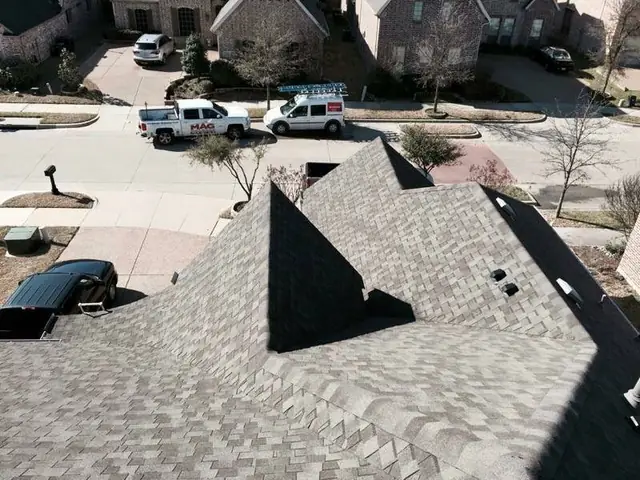
Most people don't think about their roof until water shows up somewhere it shouldn't. By then, the storm that caused the problem might be weeks or months in the past, and proving which storm did it has gotten a lot harder than it needed to be. The first week after a hailstorm or windstorm hits your neighborhood is the window that actually matters, and most of it gets wasted on cleaning up the yard instead of documenting the roof.
Filing late costs you the claim, not just time
Insurance carriers put deadlines on storm claims, and those deadlines are measured from the date of loss, not from the date you noticed a problem. Wait long enough and a carrier can reasonably argue the damage came from something else entirely, ordinary wear, a later storm, poor maintenance. The claim doesn't have to be perfect in the first week. It has to be started. Filing early puts a date on the record that everything else gets measured against.
Document before anyone touches the roof
Once repairs start, the evidence of what the storm actually did starts disappearing with it. Photos and a written inspection from before any work begins are worth more to a claim than almost anything that happens afterward. This is also where a lot of homeowners get talked into a mistake: a contractor who wants to start tear-off before an adjuster has even seen the roof is asking you to destroy your own evidence to save a few days.
What the carrier actually needs from you
A claim moves faster when it arrives complete: date of loss, photos of the damage, and a written scope that names what's damaged and why. A phone call describing a leak is not the same submission as a documented inspection attached to a claim number. Carriers process what's in front of them, and a thin file sits in a queue longer than a complete one.
The six steps we run on every claim
- Pre-inspection. Someone gets on the roof before a single form is filed and photographs every slope, the flashing, the vents and the soft metal.
- Claim submission. The claim goes in with documentation attached, so the adjuster is reading evidence rather than a phone call.
- Bidding and scope assessment. Our staff includes certified adjusters who read the carrier's scope line by line and argue the items that were missed.
- Construction. The build runs on our schedule and our crews, with the site cleaned down each evening.
- Final inspection. We walk the finished work before you're asked to sign anything, and fix what the walk turns up.
- Invoices and completion certificates. The paperwork the carrier needs to release final payment goes out from us, in the format they want it.
Where homeowners lose ground without meaning to
The most common mistake isn't fraud or dishonesty, it's silence. A homeowner accepts the first number a carrier offers because arguing with an insurance company feels like a fight they're not equipped for, and in a sense they're right. Reading a scope of loss and knowing which line items were quietly left off takes someone who does it every day. That gap between what a carrier initially offers and what a properly argued claim actually pays is real, and it's the entire reason bidding and scope assessment is its own step rather than something folded into the estimate.
What certified adjusters on staff actually buys you
We accept all major insurances and our staff assists with the paperwork directly, which matters most in that bidding and scope stage. It's the difference between a contractor who repairs whatever the carrier approved and one who reads the approval against what the roof actually needs and pushes back on the gap. An adjuster working for the carrier is doing their job when they write a conservative scope. Someone on your side needs to be doing the opposite job, checking that scope against what the roof actually requires, and that only works if they know the claims process from the inside rather than guessing at it from the outside.
What a rushed week actually costs later
Homeowners under pressure in that first week sometimes skip straight to construction because a contractor promised speed, and speed sounds appealing when there's a tarp on the roof. The problem shows up months later, when a supplemental claim is needed for something the original scope missed and there's no pre-inspection documentation left to support it. Every step in our process exists because skipping it costs more later than it saves now. The order matters as much as the individual steps do.
If a storm has come through your area in the past week, the clock is already running. Call 817-823-7224 for a free inspection before you file anything.
MAG Builders, 817-823-7224
Call 817-823-7224More articles
What Hail Actually Does to an Asphalt Roof (and Why You Can't See It From the Driveway)
A roof can take a real hit and still look untouched from the street. The damage that matters is underneath the surface, not on it.
Choosing a Roof for Texas Heat
The right roof for a house in North Texas depends on the structure under it as much as the weather on top of it.