Choosing a Roof for Texas Heat
The right roof for a house in North Texas depends on the structure under it as much as the weather on top of it.
September 4, 2026 · 4 min read
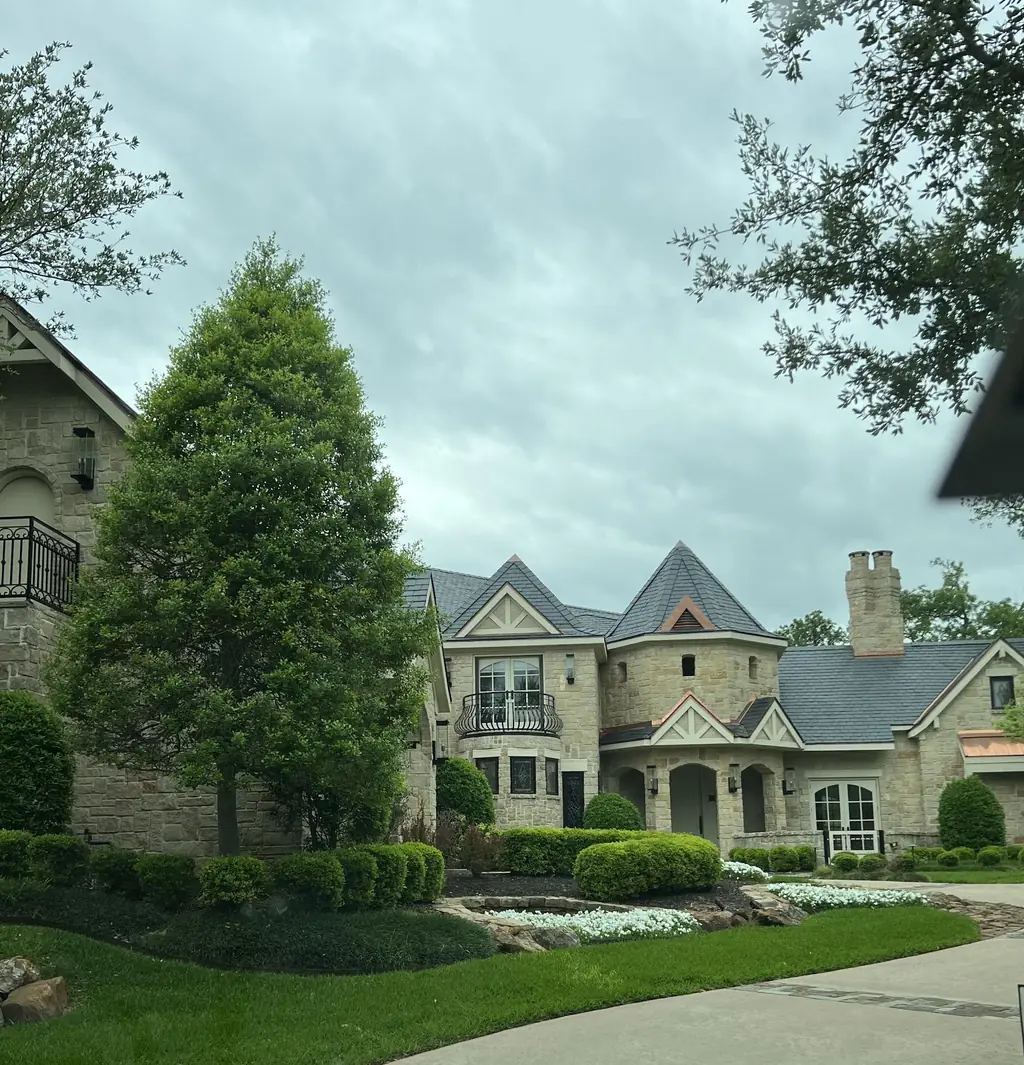
Every roofing material sold in North Texas gets pitched as the answer to Texas heat, and every one of them has a real weakness that the pitch usually leaves out. There isn't a single correct choice here. There's a choice that fits your house, your budget, your insurance situation and how long you plan to own the place, and those four things don't always point the same direction.
Asphalt is still the default, and there's a reason
Asphalt shingles remain the most common roofing material we install, for the plain reason that they cost less up front, go on faster, and most Texas homes are framed to carry exactly that weight already. Lighter-colored and reflective shingle lines do run cooler than dark ones, but the difference is nowhere near as large as a marketing sheet suggests. Asphalt's real strength is that it's the known quantity: every roofer, every insurance adjuster and every supplier in the region works with it constantly, which keeps repairs simple and parts available.
Metal runs cooler, but not for the reason people think
Metal reflects more solar heat than asphalt, which is real, but the bigger advantage is how fast it sheds that heat back out once the sun goes down, because metal doesn't hold heat the way asphalt or tile does. The trade-offs are cost and noise during rain, both of which matter to different homeowners in different ways. Metal is also one of the more resilient choices against hail impact, which is worth weighing given how much of our business is storm repair to begin with.
Tile, clay tile and decra: weight is the real question
Clay tile has genuine heat performance advantages, the air gap under curved tile profiles insulates the deck in a way flat materials can't match, but clay is heavy, and not every roof structure was built to carry it. That's a structural engineering question before it's a style question. Decra, a stone-coated steel product shaped to imitate tile or shake profiles, gets chosen specifically to sidestep that weight problem while keeping a similar look, at the cost of being a different material than what it's imitating.
Concrete tile and wood: the trade-offs nobody mentions
Concrete tile sits between clay and asphalt on most measures: heavier than asphalt, generally less expensive than clay, and it shares the same structural weight question clay does. Wood shake has a look nothing else fully replicates, but it's the material most affected by Texas conditions generally and by hail specifically, and it carries different insurance implications than the other options here. Anyone considering wood should ask their carrier directly what that means for their policy before committing to it.
Spanish-style roofs and what that costs
Spanish-style roofing usually means a barrel or S-shaped tile profile, whether executed in genuine clay or in a lighter imitation material. The genuine version carries the same weight considerations as clay tile generally. The imitation versions trade some of that authentic thermal performance for a lighter, less expensive installation. Which one is right depends heavily on the house it's going onto and whether the goal is matching a specific architectural style or matching a specific budget.
- Asphalt: lowest upfront cost, fits almost any roof structure, the easiest to repair and insure
- Metal: strong hail resistance and fast heat shedding, higher upfront cost, can be noisier in rain
- Clay tile: real thermal advantage, heavy, requires the structure to support it
- Decra (stone-coated steel): tile-like appearance without tile weight, a different material underneath
- Concrete tile: a middle ground on cost and weight between asphalt and clay
- Wood shake: distinct look, most exposed to weather and hail, ask your carrier about coverage first
- Spanish-style (clay or imitation): style-driven choice, cost and weight depend entirely on which version
What actually decides it
We don't quote every roof in one material because every roof isn't the same structure, budget or insurance situation. A free inspection is where we look at your decking, your framing and your existing coverage before recommending anything, because the honest answer to "what roof should I get" is almost always "it depends on what's under the one you have now."
There's also the question of what you're replacing and why. A roof going up on new construction has more freedom to choose purely on merit, since the framing can be designed around the material from the start. A roof being replaced after storm damage is a different conversation, because it's usually being replaced under an insurance claim, and a carrier's payout is generally scoped around a like-kind replacement rather than an upgrade to a heavier or more expensive material. If you're thinking about switching materials during a storm rebuild, that's worth discussing with us and with your carrier before the decision is made, not after the shingles are ordered.
None of this means the decision has to be complicated. Most homeowners in North Texas end up on asphalt for good reasons, and the ones who go a different direction usually have a specific reason for it, a structure that can carry the weight, an architectural style they're committed to, or a hail-resistance priority that outweighs the added cost. Call 817-823-7224 and we'll walk it with you.
MAG Builders, 817-823-7224
Call 817-823-7224More articles
What Hail Actually Does to an Asphalt Roof (and Why You Can't See It From the Driveway)
A roof can take a real hit and still look untouched from the street. The damage that matters is underneath the surface, not on it.
The Insurance Claim Clock: What To Do in the First Week After a North Texas Storm
The week right after a storm is when most claims are won or lost, usually before the homeowner has even called anyone.